Eco-friendly roofing used to be a niche interest, but as more homeowners consider sustainability a mark of good stewardship, the roofing industry has stepped up with smarter, greener options. If you're curious about how your roof can help lower energy bills, support the environment, or simply bring a fresh aesthetic to your home, you’re in the right place. This guide walks you through cool roofs, green roofs, and sustainable materials. These three approaches are shaping the roofing landscape in 2025.
Eco-friendly roofing isn’t about chasing trends; it’s about finding practical ways to make your home more efficient and more comfortable while reducing environmental impact. Today’s solutions rely on better materials, smarter engineering, and time-tested principles that work with nature rather than against it. Whether you're building new or looking to upgrade an existing roof, these options offer both immediate and long-term benefits.
The idea behind a cool roof is refreshingly straightforward: instead of absorbing heat, it reflects it. That single change can transform how your home handles warm weather. Traditional roofs soak up the sun all day, turning your attic into a slow-cooker by mid-afternoon. Cool roofs stay noticeably cooler, reducing the strain on your air conditioning and keeping indoor spaces more comfortable.
Cool roofs are especially appealing in southern climates where long summers take a toll on energy bills. A reflective surface can reduce cooling costs significantly over time, and because the materials stay cooler, they tend to age more gracefully than conventional shingles. Homeowners who install cool roofs often get a quieter benefit as well: they feel the difference the moment the hottest months roll in.
Here’s what makes cool roofs compelling:
• Lower long-term cooling costs due to reduced heat absorption
• Slower material degradation, which may extend the roof’s lifespan
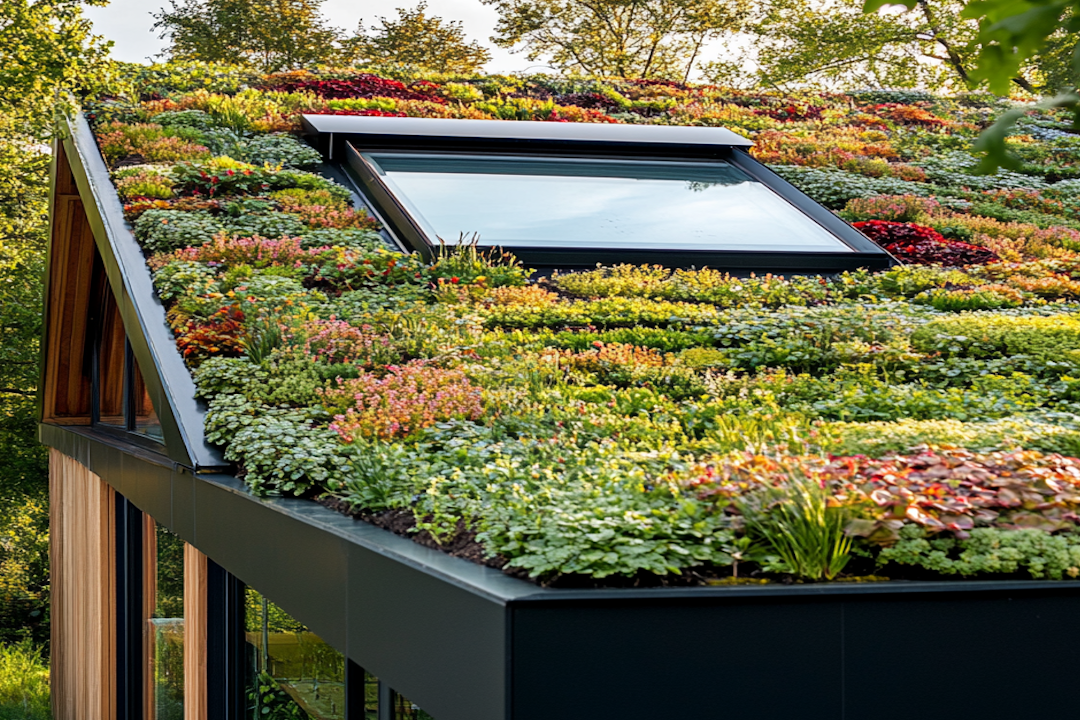
A green roof is exactly what it sounds like—a layer of living vegetation installed on top of your home. Once reserved for commercial buildings or avant-garde designers, green roofs are gaining traction among homeowners who like the idea of blending sustainability with striking visual appeal. They offer insulation, manage stormwater, and create pockets of habitat in places you wouldn't expect.
While green roofs certainly look impressive, their advantages go far deeper. The vegetation helps regulate indoor temperatures year-round, absorbing heat in summer and adding insulation in winter. During heavy rain, the plants and soil act as a natural sponge, reducing runoff and easing strain on drainage systems. Homeowners also appreciate that green roofs contribute to cleaner air and support pollinators, adding ecological value right at home.
A few standout advantages include:
• Noticeable insulation improvements and reduced temperature fluctuations
• Increased biodiversity and better stormwater management
If installing a full green roof isn’t your style, you can still go eco-friendly by choosing sustainable materials. In 2025, many manufacturers are producing roofing products designed to last longer, produce less waste, and sometimes even be recycled at the end of their lifespan. These options appeal to homeowners who want a balance of durability, responsible sourcing, and timeless design.
Metal roofing made from recycled content remains one of the most trusted eco-friendly options on the market. It handles extreme weather well and can be repurposed decades down the road. Reclaimed wood offers a handcrafted, traditional appearance without requiring new lumber. High-quality synthetic shingles provide the look of slate or cedar but use fewer natural resources. Even classic clay and concrete tiles now often come from more sustainable production processes.
Sustainable roofing is becoming less of an exception and more of an expectation. Whether you’re motivated by energy savings, environmental concerns, or long-term durability, these modern solutions offer meaningful, measurable value. The best part? You don’t have to sacrifice style or functionality to adopt them. A well-chosen eco-friendly roof can elevate your home’s appearance while reducing its environmental footprint for years to come.
If you're ready to explore the possibilities—or want guidance selecting the right option—now is an excellent time to take the next step.
For expert advice and high-quality installation of eco-friendly roofing solutions, contact United Roofing today. We proudly serve homeowners in both Myrtle Beach and Greenville, South Carolina, and we’re here to help you protect your home with sustainable, long-lasting materials.