January 14, 2025
<-- Back To All Blog Posts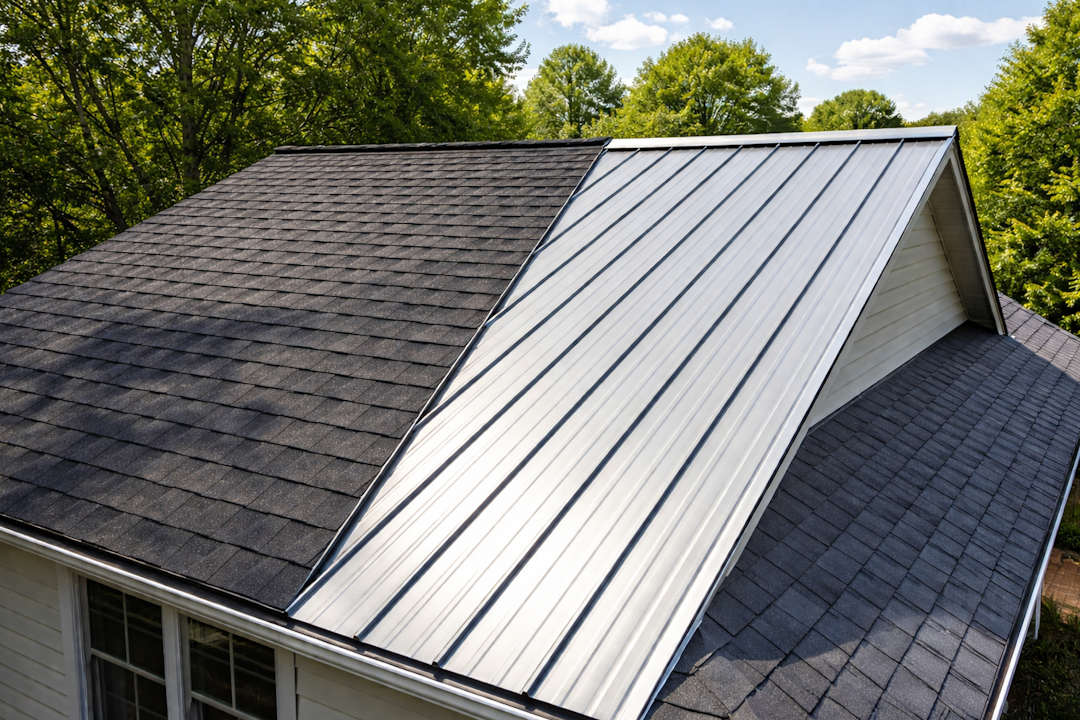
When it comes time to replace your roof, few decisions spark more debate than metal roofing vs. traditional roofing. Both options protect your home, but they do so in very different ways—and at very different price points over time. The real question isn’t just “What does it cost today?” but “What will it cost me over the next 20, 30, or even 50 years?”
In this guide, we’ll walk through the upfront versus long-term costs of metal and shingle roofs, compare their durability, and break down how each affects energy efficiency and monthly utility bills. If you’re a homeowner in Myrtle Beach or Greenville, where heat, storms, and humidity are part of life, these differences matter more than you might think.
At first glance, traditional asphalt shingles usually win the affordability contest.
Asphalt shingle roofs typically cost less to install, making them appealing for homeowners focused on immediate budget constraints. Metal roofing, by comparison, comes with a higher initial price tag due to material costs and specialized installation.
Here’s the tradeoff in plain terms: shingles cost less now, metal costs less later. And “later” can stretch across decades.
This is where metal roofing vs. traditional roofing starts to look very different.
Asphalt shingles generally last 20–30 years under ideal conditions. In coastal or storm-prone areas, that lifespan can be shorter. Metal roofing, on the other hand, often lasts 40–50 years or more. In many cases, a metal roof installed today could be the last roof you ever need.
Over time, homeowners with shingle roofs may pay for two roof replacements while a metal roof quietly does its job. Fewer tear-offs, fewer installations, fewer disruptions—and fewer checks written.
Metal roofing is exceptionally resistant to wind, heavy rain, fire, and impact damage. It doesn’t crack, curl, or rot, and it sheds water quickly—an advantage during South Carolina downpours.
Shingles are durable in their own right, but they’re more vulnerable to storm damage, algae growth, and gradual wear. Repairs and partial replacements are more common, especially after severe weather.
Energy performance is often overlooked until the first summer electric bill arrives.
Metal roofs reflect a significant portion of solar heat rather than absorbing it. That reflective quality can reduce attic temperatures and ease the workload on your air conditioning system—especially helpful during hot Myrtle Beach summers.
Traditional shingles absorb heat. That warmth transfers into your home, often leading to higher cooling costs during peak months.
Energy efficiency comparison at a glance:
Every roofing material has strengths and tradeoffs.
Long lifespan and fewer replacements
Strong resistance to severe weather
Improved energy efficiency
Lower upfront cost
Familiar appearance and wide style selection
Easier short-term budgeting
The right choice depends on how long you plan to stay in your home, how you view long-term costs, and whether predictability matters more than initial savings.
Choosing between metal roofing vs. traditional roofing isn’t about picking a “better” roof—it’s about choosing the right roof for your goals. If you value long-term savings, durability, and energy efficiency, metal roofing often delivers strong returns. If upfront cost is the primary concern, shingles may still be the practical option.
At United Roofing, we help homeowners in Myrtle Beach and Greenville weigh these decisions every day. Our team can break down real costs, expected lifespan, and energy impacts based on your specific home—not generic averages.
If you’re considering a roof replacement and want clear, honest guidance, contact United Roofing today. We’ll help you choose a roofing solution that fits your home, your budget, and your long-term peace of mind.